Elegant Easter Table Decorations at Home
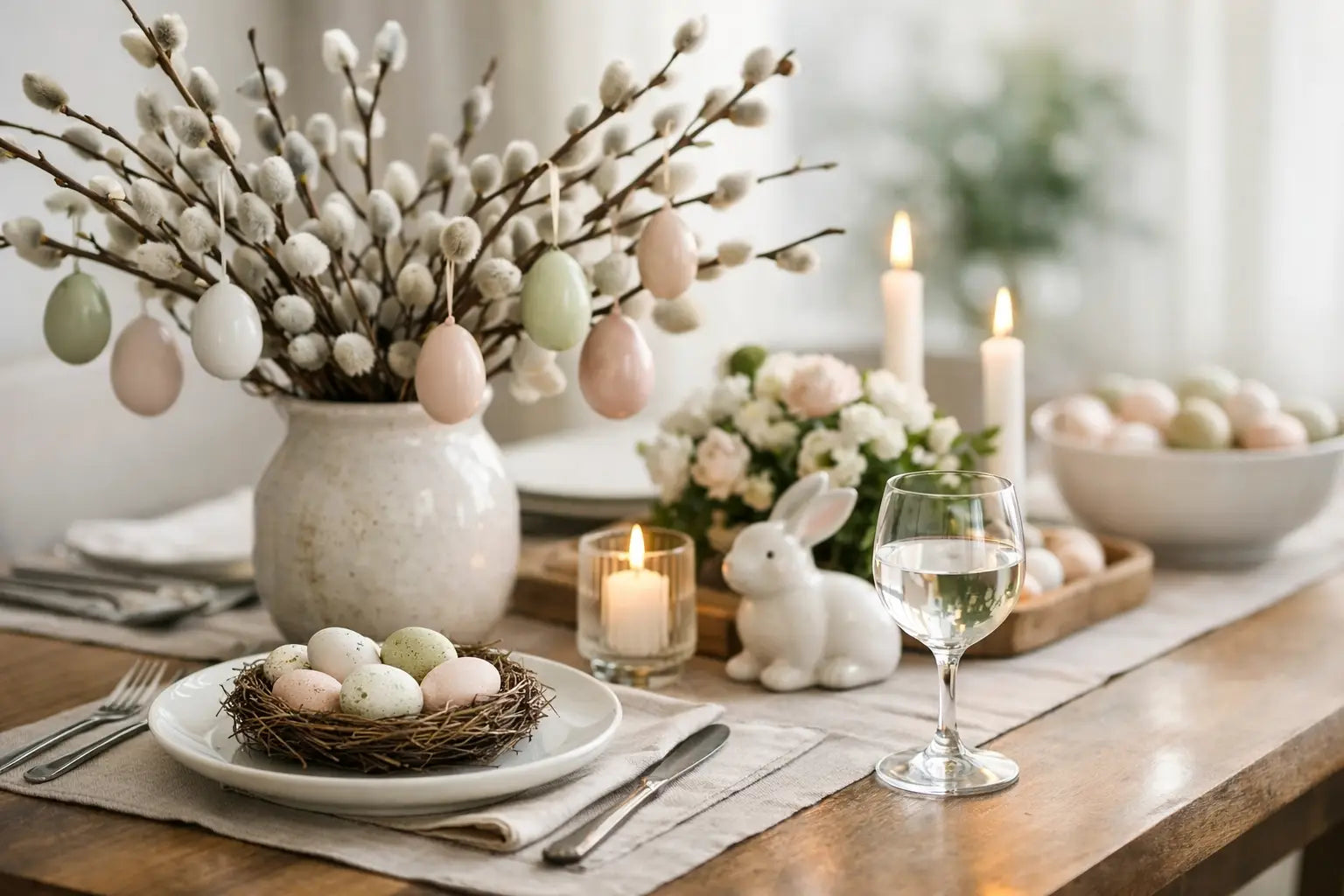
A beautifully set spring table rarely needs very much. A linen runner, a few softly toned candles, a bowl of seasonal eggs and a hint of fresh texture can be enough to make Easter lunch feel special rather than hurried. The appeal of elegant Easter table decorations lies in that balance - warm and inviting, but never overdone.
For many homes, Easter decorating works best when it feels like an extension of everyday style rather than a complete seasonal switch. If your interiors already lean towards soft neutrals, natural materials and gentle layers, your table can follow the same approach. The result is calmer, more timeless and far easier to put together.
What makes elegant Easter table decorations feel refined
Elegance on an Easter table is often less about formality and more about restraint. Instead of filling every space with rabbits, chicks and bright novelty pieces, it helps to choose a smaller edit of details that speak quietly to the season. Think ceramic eggs rather than plastic ones, textured napery rather than printed disposables, and florals in soft whites or muted greens instead of anything too sugary.
A refined table also has a sense of rhythm. Repeating materials and colours across the setting creates cohesion, whether that comes from stoneware plates, woven placemats or glass candle holders. When each piece feels connected, the whole table feels settled.
That does not mean everything has to match perfectly. In fact, an overly coordinated table can look flat. A little contrast is useful. Matte ceramics beside clear glass, rougher woven texture against crisp cotton, or a slightly darker runner under pale plates gives the setting more depth.
Start with a soft, natural base
The easiest way to style an Easter table beautifully is to begin with the layers that take up the most visual space. A tablecloth or runner sets the mood immediately, so it is worth choosing one that feels quiet and tactile. Washed linen, cotton slub and subtle woven textures work especially well because they soften the look of the table without making it feel fussy.
For an elegant finish, keep the palette grounded. Chalky whites, oat, stone, sand and soft grey all sit comfortably with spring styling. If you prefer a little colour, sage, faded moss or the lightest blush can work well, but only in small doses. Easter tables often tip into excess when too many pastel shades compete at once.
If your tableware is already patterned or more decorative, a plain neutral cloth will help keep everything balanced. If your plates and glassware are simple, you have more freedom to bring in texture through the linens.
Build the place settings with texture, not clutter
A good place setting should feel welcoming and easy to use. Elegant styling can quickly lose its charm if guests have to move three decorative items before they can reach their water glass. The most successful tables keep the decorative layer restrained but practical.
Begin with a charger or placemat if you use them, then build with dinnerware that has a softly crafted quality. Stoneware, glazed ceramics and classic white plates all lend themselves well to Easter styling because they feel timeless and easy to pair. Folded napkins add another layer of softness, especially when tucked beneath a bowl or tied loosely with ribbon or twine.
Small seasonal touches are often most effective at each setting. A single decorative egg, a sprig of faux blossom, or a simple name card resting on the napkin can be enough. It depends on the size of the table. On a smaller dining table, less is almost always better.
A note on colour balance
If you are using eggs, florals and candles together, keep one element quiet. Neutral eggs and white candles allow flowers to carry the colour. If your floral arrangement is understated, softly tinted candles or ribbon can bring warmth without overwhelming the setting.
Create a centrepiece that allows conversation
The centre of the table should anchor the whole arrangement, but it should never block sightlines or make serving awkward. Low styling generally feels more relaxed and more useful for an Easter meal, especially if you are hosting family and want the table to feel open.
A runner down the centre creates a natural framework for layering. You might place a cluster of candlesticks through the middle, then weave in faux florals, a mossed wreath laid flat, or a few small bowls filled with decorative eggs. The aim is to create movement along the table rather than one tall arrangement in the middle.
For round tables, a central wreath or shallow bowl can work beautifully. Fill it with eggs, moss, or a loose arrangement of spring stems. A single large vase can look striking, but it suits some tables better than others. If you know serving dishes will need space, flatter pieces are easier to work around.
Candles bring softness quickly
Candlelight is one of the simplest ways to make an Easter table feel warm and welcoming. Taper candles add height and elegance, while votives or tea lights create a softer, lower glow. Mixing both can be lovely, though keeping finishes similar helps maintain a cohesive look.
If you are hosting a lunch rather than an evening meal, candles still belong. Even unlit, they add shape and a sense of occasion.
Bring in seasonal details with a lighter hand
Easter decorating can feel elegant when the references are subtle. Rabbits, eggs, nests and spring florals all have their place, but the finish matters. Materials such as ceramic, wood, glass and faux greenery tend to feel more timeless than anything overly glossy or brightly coloured.
Decorative eggs are especially versatile. Displayed in a bowl, tucked into a wreath, placed at each setting or scattered sparingly along the centre of the table, they bring a seasonal note without demanding too much attention. Soft marbling, speckled finishes and matte surfaces tend to sit well within a more refined scheme.
Florals deserve the same thoughtful approach. White tulips, faux blossom, eucalyptus-style foliage and soft green stems feel calm and fresh. If you love fuller spring colour, use it with intention. One vase of delicate yellow flowers can feel charming; several competing shades across the whole table can start to feel busy.
Elegant Easter table decorations for different hosting styles
Not every Easter gathering looks the same, and your table should reflect how you actually host. A long, leisurely roast with extended family needs more room for serving pieces than a smaller brunch table with pastries and coffee. The styling can stay elegant in either case, but the layout may change.
For a more formal lunch, symmetry often feels pleasing. Matching candlesticks, evenly spaced place settings and a centred arrangement create a composed look. For a relaxed breakfast or informal gathering, a slightly looser arrangement feels more natural - perhaps a central tray with candles and eggs, plus a few floral accents around the table.
If children will be joining you, that does not mean the table has to lose its polish. It simply helps to choose sturdy pieces and keep delicate styling away from the edge. A few tactile seasonal details can still feel special without becoming overly playful.
Keep the table connected to the rest of the home
The most beautiful seasonal tables rarely feel isolated from their surroundings. If your dining space already includes warm woods, soft ceramics and neutral textiles, echo those finishes on the table. This continuity is what makes the setting feel intentional rather than styled for a single photograph.
That is where a tonal approach becomes especially helpful. Choosing pieces that work beyond Easter - candle holders, linen napkins, textured bowls, faux florals and woven accents - means your table feels relevant now, but useful later too. Sable Homeware’s approach to seasonal styling sits comfortably here: decorative updates that still belong in the home once the occasion has passed.
When to stop styling
This is often the part that makes the biggest difference. If the table already feels layered, warm and balanced, adding one more ornament rarely improves it. A little empty space gives the eye somewhere to rest and lets the materials speak for themselves.
Stand back and look at the full table before you finish. If the centre feels crowded, remove one item. If each place setting has both a napkin detail and a decorative accent and a menu card, consider whether all three are needed. Elegant tables tend to feel edited.
Easter is at its best when the table invites people to settle in, share food and stay a little longer. A few thoughtful layers, natural textures and a softer palette can do that beautifully, leaving the whole setting feeling calm, welcoming and quietly special.