How to Create a Calm Home That Lasts
A calm home rarely comes from buying more. It usually begins when a room feels quieter to look at, easier to use and gentler to live in. If you have been wondering how to create a calm home, the answer is less about strict minimalism and more about thoughtful choices that soften daily life.
The most restful spaces share a few qualities. They are visually balanced, practical without feeling clinical and layered in a way that feels warm rather than busy. That balance matters, because a home should feel lived in and personal, not stripped of character in pursuit of neatness.
How to create a calm home starts with what you see first
The quickest way to change the feel of a room is to edit what sits at eye level. Open shelving, sideboards, kitchen worktops and hallway consoles all shape your first impression of a space. When these areas are crowded with too many objects, even lovely ones, the room can start to feel restless.
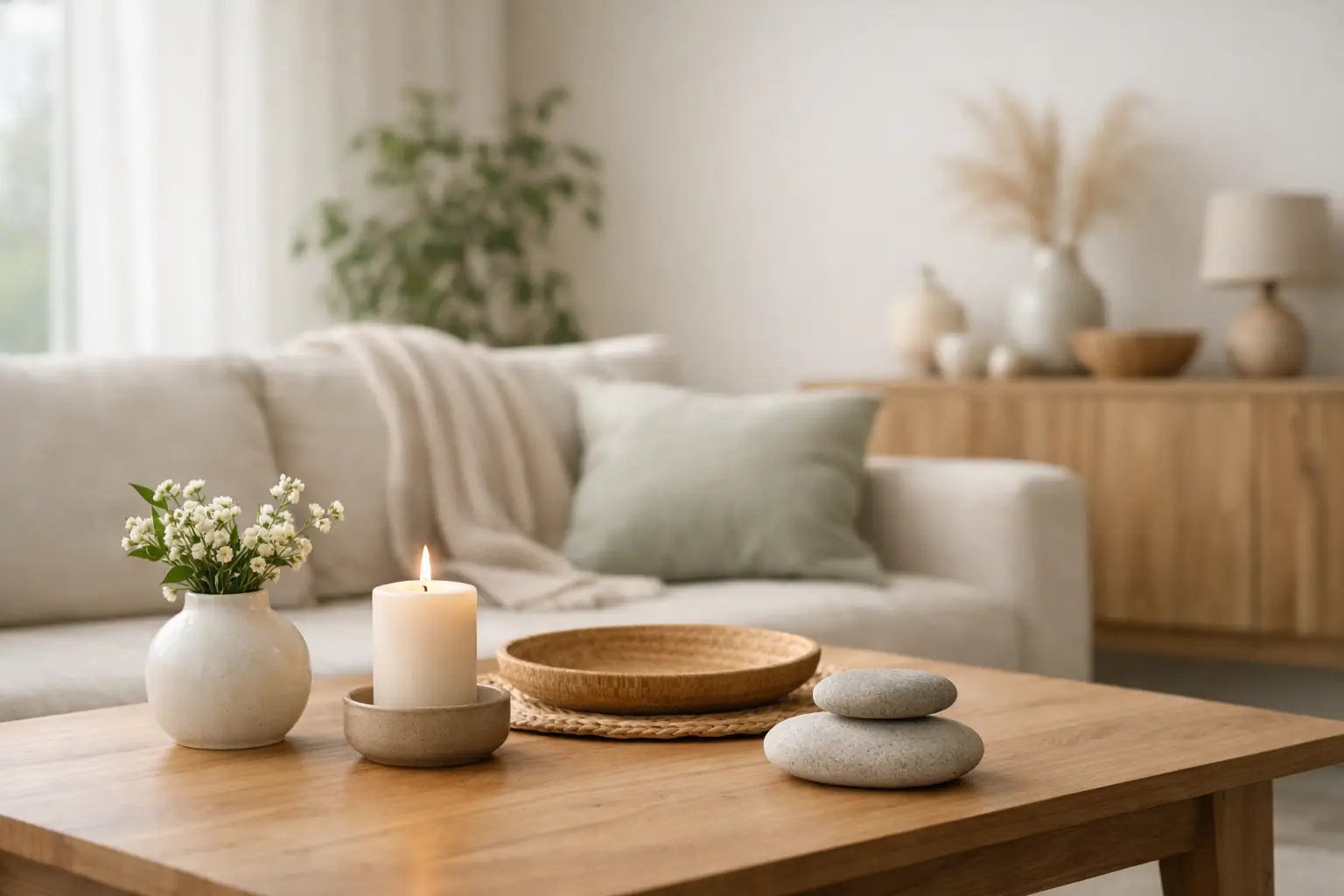
Begin by removing anything that is neither used nor loved. Then reintroduce only the pieces that create a sense of rhythm. A ceramic vase, a softly scented candle, a stack of linen napkins or a woven basket can all add warmth, but they work best when each item has room around it.
This is where restraint becomes useful. Calm interiors are not empty, but they are selective. A few well-chosen accents in natural materials will usually feel more refined than a larger mix of colours, finishes and shapes competing for attention.
Choose a softer palette, not a flatter one
Colour has an immediate effect on mood, yet calm does not have to mean plain. Soft neutrals, earthy tones and muted greens or stone shades tend to settle a room because they echo the natural world. They are easy to live with and easy to layer, which helps a home feel cohesive rather than pieced together over time.
The detail that makes the difference is variation. A room built entirely from one flat beige can feel lifeless, while a room layered with oat, ivory, sand, taupe and warm grey often feels nuanced and restful. The same applies to seasonal styling. A calm home can still shift with the time of year, but the updates should sit naturally within your existing palette rather than interrupt it.
If you love darker tones, you do not need to avoid them. Charcoal, olive and deep brown can feel grounding in the right setting. The key is balance. Pair richer colours with softer textures and lighter elements so the space still feels open.
Texture is what makes calm feel warm
Many homes look tidy but still feel slightly hard. That usually comes down to texture. When a room is made up mostly of smooth, shiny or cold finishes, it can feel visually sharp even if the colour palette is quiet.
Natural texture softens that effect. Think linen tablecloths, ribbed glass, woven storage, ceramic pieces with a matte finish, faux florals with a natural shape and wooden accents that bring a little warmth to painted surfaces. These details add depth without noise.
This is especially helpful in rooms that need to work hard, such as kitchens and dining areas. Functional spaces can become overly practical quite quickly. Bringing in tactile pieces helps restore a sense of ease. A fruit bowl in stoneware, a simple wreath on a pantry door or a tray to gather everyday essentials can make the room feel settled rather than purely utilitarian.
Make everyday storage part of the look
Clutter is not always about owning too much. Often, it is about not having a clear place for the ordinary things you use every day. Post on the kitchen side, keys in the hallway, spare candles in a cupboard and cleaning products tucked awkwardly under the sink all create a subtle sense of disorder.
A calm home works better when storage is both useful and attractive. Baskets, lidded jars, trays and boxes are not simply finishing touches. They reduce visual friction. When daily essentials are grouped and contained, surfaces feel clearer and routines feel easier.
There is also a trade-off here. Completely hidden storage can make life neater, but if everything is put away too thoroughly, the home may begin to feel less welcoming or less practical. Open storage for beautiful, useful items often works best. Keep the things you reach for regularly in pieces that suit your room, and conceal only what disrupts the visual calm.
Style by area, not by item
One reason a home can feel unsettled is that individual pieces may be lovely, but they do not relate to one another. Calm interiors tend to feel intentional because they are styled as a whole. Instead of asking what one shelf or one table needs, think about how an area should feel.
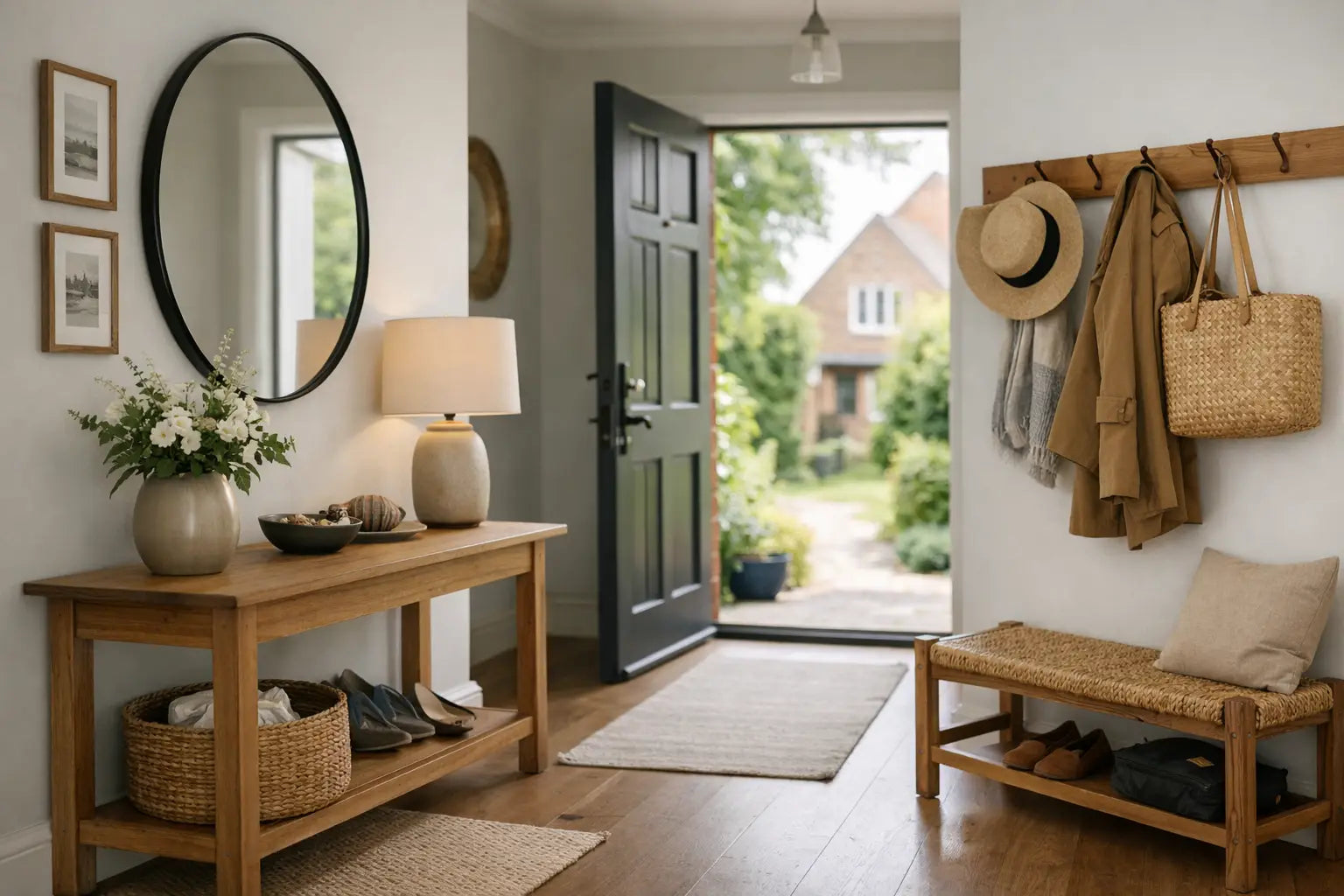
A dining table might need softness and quiet structure. That could mean a runner in a natural fabric, a low arrangement of faux stems and a pair of candle holders that add height without dominating the table. A hallway may need a welcoming mood, so a console with a bowl, a lamp and a seasonal wreath nearby can create a gentle sense of arrival.
This way of styling reduces decision fatigue. It helps you choose pieces that belong together instead of collecting accents that never quite settle. Sable Homeware is especially appealing for this reason, because a consistent palette makes the process feel simpler and more cohesive.
How to create a calm home in busy rooms
Some spaces ask more of us than others. Kitchens, family rooms and entryways are naturally busy, so they need a slightly different approach. In these areas, calm comes from creating order within activity rather than trying to remove all signs of life.
In the kitchen, clear the worktops as much as possible, then leave only what is used often and looks at home there. A utensil pot, a chopping board, a candle and a bowl for fruit may be enough. In a family room, use baskets for blankets, trays for remotes and a coffee table arrangement that feels low and balanced. In the hallway, think about the first few seconds after you open the door. That moment should feel easy, not chaotic.
It also helps to avoid over-decorating practical rooms. The more movement a space has, the more visual simplicity it needs. Save finer detail for shelves, mantelpieces or dining areas where it can be appreciated without competing with daily tasks.
Let the seasons shift gently
Seasonal decorating can bring real pleasure, but it often tips a home from calm to crowded when every surface changes at once. A more refined approach is to treat each season as a subtle adjustment rather than a full reset.
In spring, that might mean fresh-looking faux florals, softer greens and lighter textures. In autumn, it may be richer candlelight, woven layers and deeper natural tones. At Christmas, the most elegant homes usually keep to a restrained palette and repeat it consistently, rather than introducing every festive motif at once.
This approach keeps your home recognisable throughout the year. It also makes seasonal pieces feel more special, because they enhance your existing style instead of replacing it.
Leave room for quiet
Not every corner needs styling. In fact, one of the most overlooked parts of learning how to create a calm home is knowing when to stop. A blank stretch of wall, a lightly dressed bedside table or a shelf with just two or three pieces can give the eye somewhere to rest.
That pause is part of the atmosphere. It allows the textures, colours and objects you do choose to feel more beautiful. It also makes a home easier to maintain, which matters just as much as appearance. A room that looks lovely for one afternoon but is difficult to keep tidy will not feel calm for long.
The most enduring interiors are not built around perfection. They are built around ease, warmth and a clear sense of what belongs. When your home supports the way you live and reflects what you truly want to see around you, calm stops being a styling idea and starts to feel like part of everyday life.